SOLD OUT
This is the second of four WEXFORD books, with photos from 1987–1999. It contains 138 black-and-white images; a few are familiar, most are unpublished. I believe everyday human life — its interactions and small dramas — is visible right outside your door, on your street. Wexford is my chief muse, though I also travel the world for pictures and adventure. Those trips have tested me, rewarded me, and made me see home with fresh eyes and feeling. The late 1980s and 1990s were times of great change — and our own era will be judged the same. A photographer freezes moments; photographs keep the past alive.
This book’s images fall into three groups: buildings, community events, and people.
Buildings: For years roads and streets became mud while new drainage works took place. Necessary, but messy work. The old Victorian wharf, called The Woodenworks, was finally taken down after long neglect. I miss the topographical balance it gave our town. It was replaced by a grey concrete quayside with better facilities for mussel dredgers and the occasional visiting fairground attraction. A new bridge, replacing the old New Bridge, now skims across the water.
Events: Operas, mussels and hurling — three words that sum up Wexford. My archive of Opera Festival photos is huge and deserves its own book; only a few are shown here. In 1996 Wexford’s hurlers won the All‑Ireland Championship for only the second time in my life — say “1996” to a Wexford person and you’ll see their eyes light up.
In street photography I follow one rule: I won’t show anyone in a way I wouldn’t want to be seen. The people of Wexford are at the heart of this book—what is a place without its people? I suppose I’ve built a career, if not a living, by standing on street corners.
SOLD OUT
This is the second of four WEXFORD books, with photos from 1987–1999. It contains 138 black-and-white images; a few are familiar, most are unpublished. I believe everyday human life — its interactions and small dramas — is visible right outside your door, on your street. Wexford is my chief muse, though I also travel the world for pictures and adventure. Those trips have tested me, rewarded me, and made me see home with fresh eyes and feeling. The late 1980s and 1990s were times of great change — and our own era will be judged the same. A photographer freezes moments; photographs keep the past alive.
This book’s images fall into three groups: buildings, community events, and people.
Buildings: For years roads and streets became mud while new drainage works took place. Necessary, but messy work. The old Victorian wharf, called The Woodenworks, was finally taken down after long neglect. I miss the topographical balance it gave our town. It was replaced by a grey concrete quayside with better facilities for mussel dredgers and the occasional visiting fairground attraction. A new bridge, replacing the old New Bridge, now skims across the water.
Events: Operas, mussels and hurling — three words that sum up Wexford. My archive of Opera Festival photos is huge and deserves its own book; only a few are shown here. In 1996 Wexford’s hurlers won the All‑Ireland Championship for only the second time in my life — say “1996” to a Wexford person and you’ll see their eyes light up.
In street photography I follow one rule: I won’t show anyone in a way I wouldn’t want to be seen. The people of Wexford are at the heart of this book—what is a place without its people? I suppose I’ve built a career, if not a living, by standing on street corners.

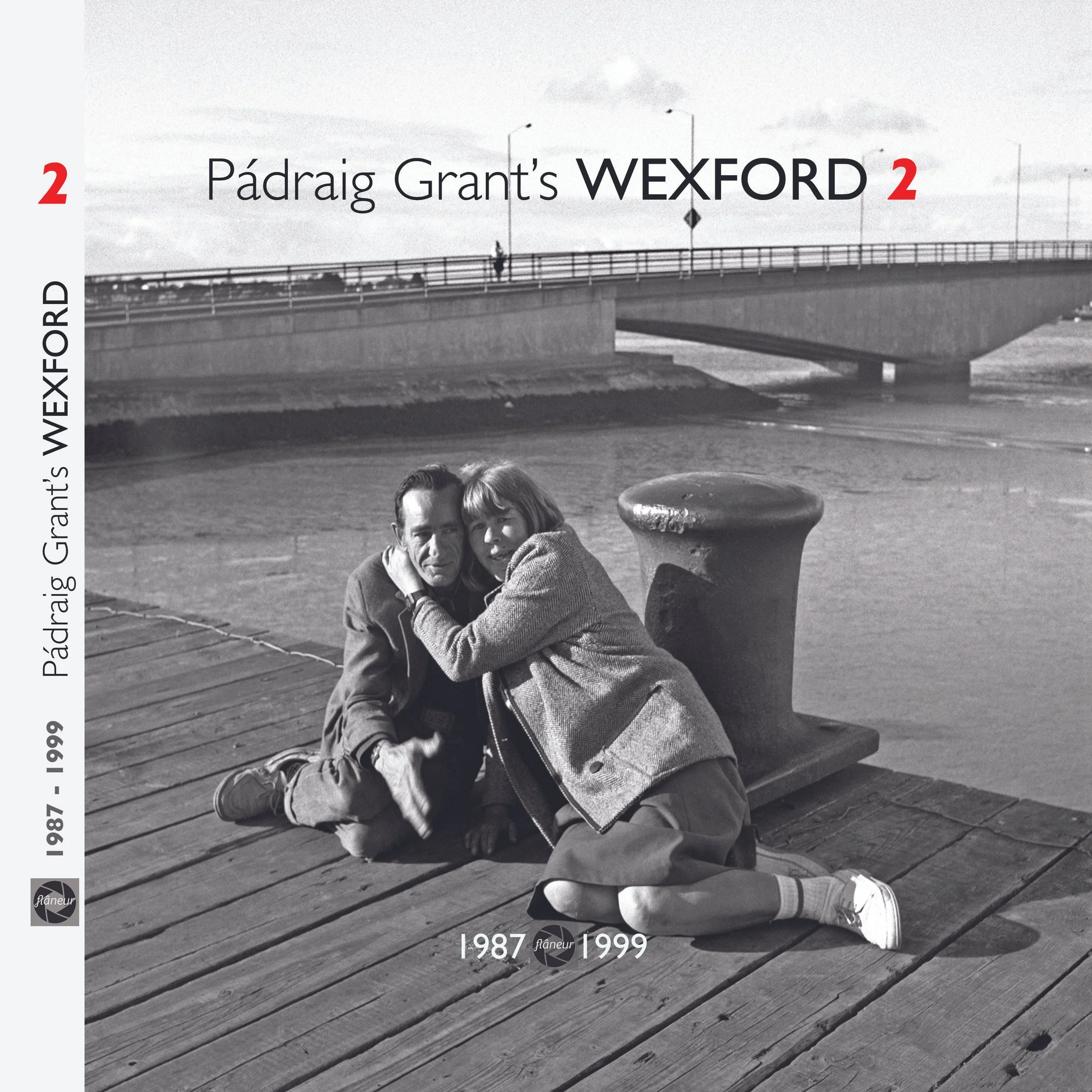 Image 1 of 9
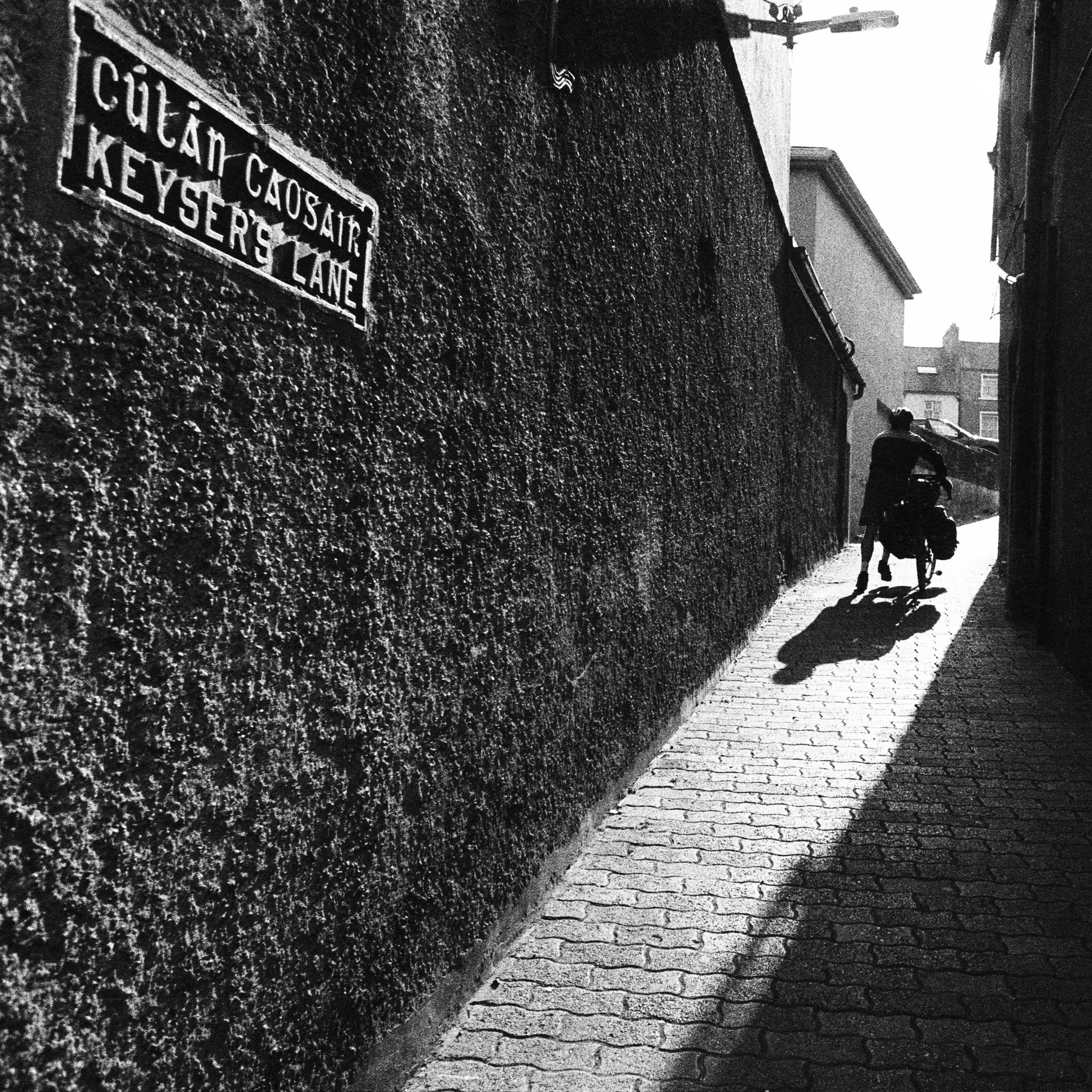 Image 2 of 9
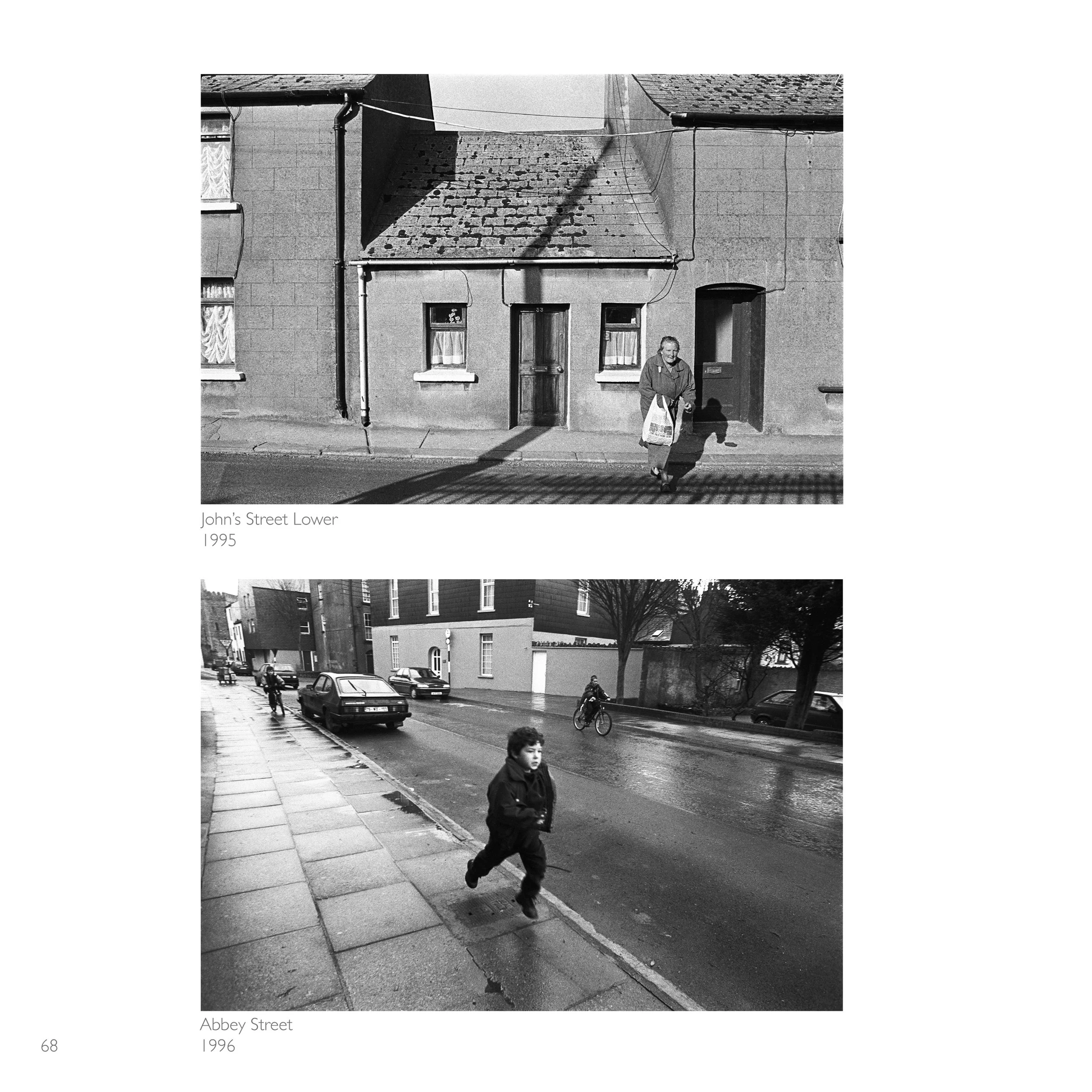 Image 3 of 9
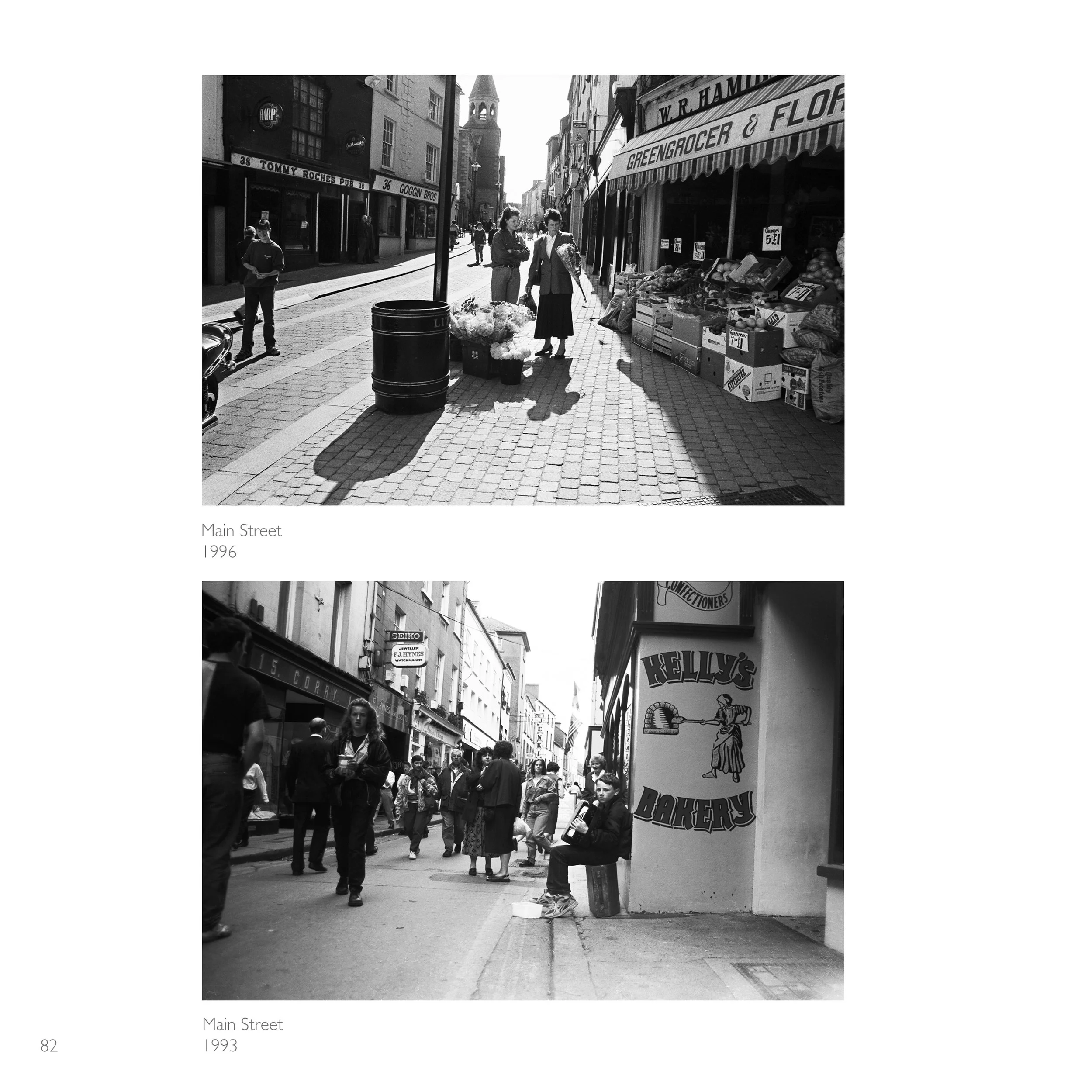 Image 4 of 9
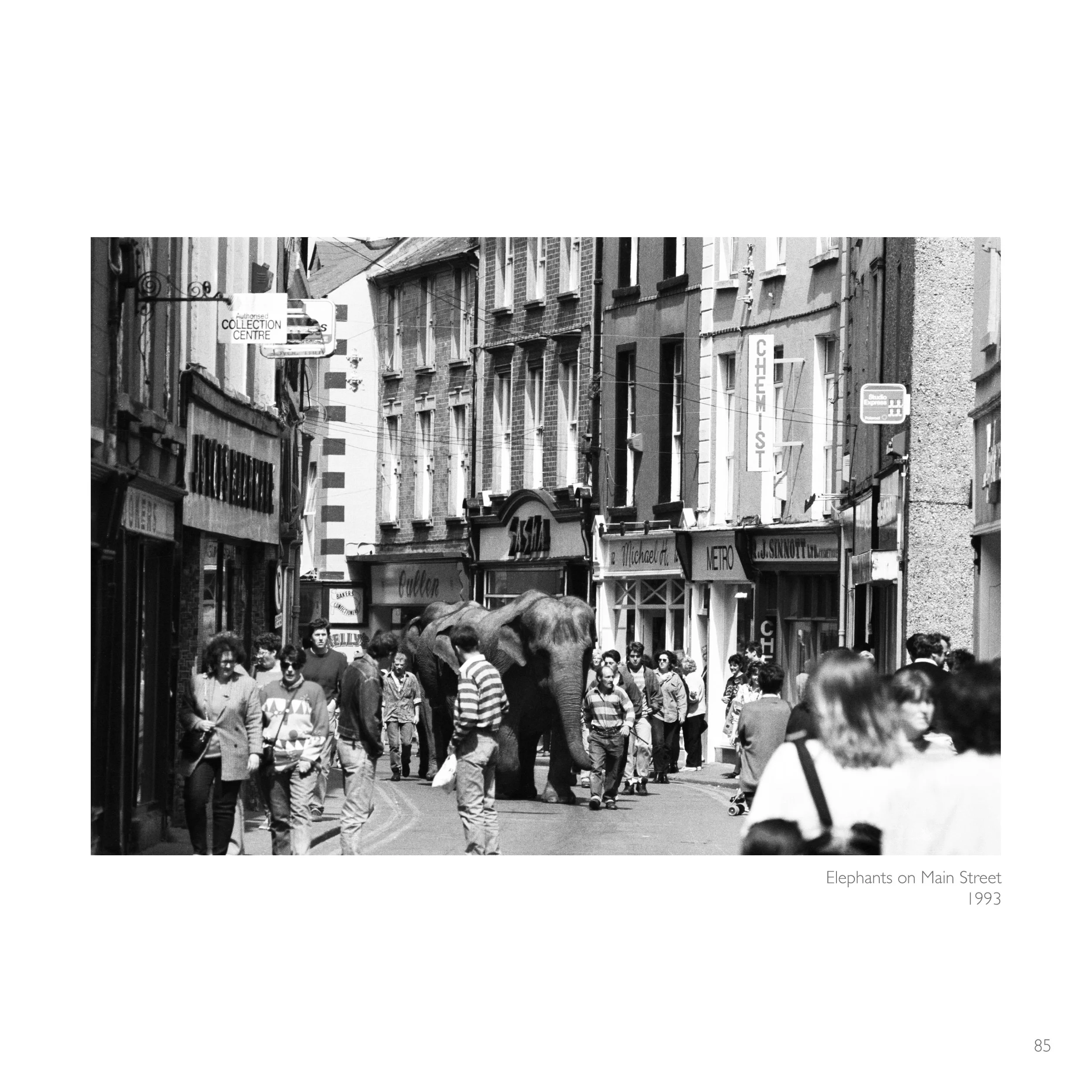 Image 5 of 9
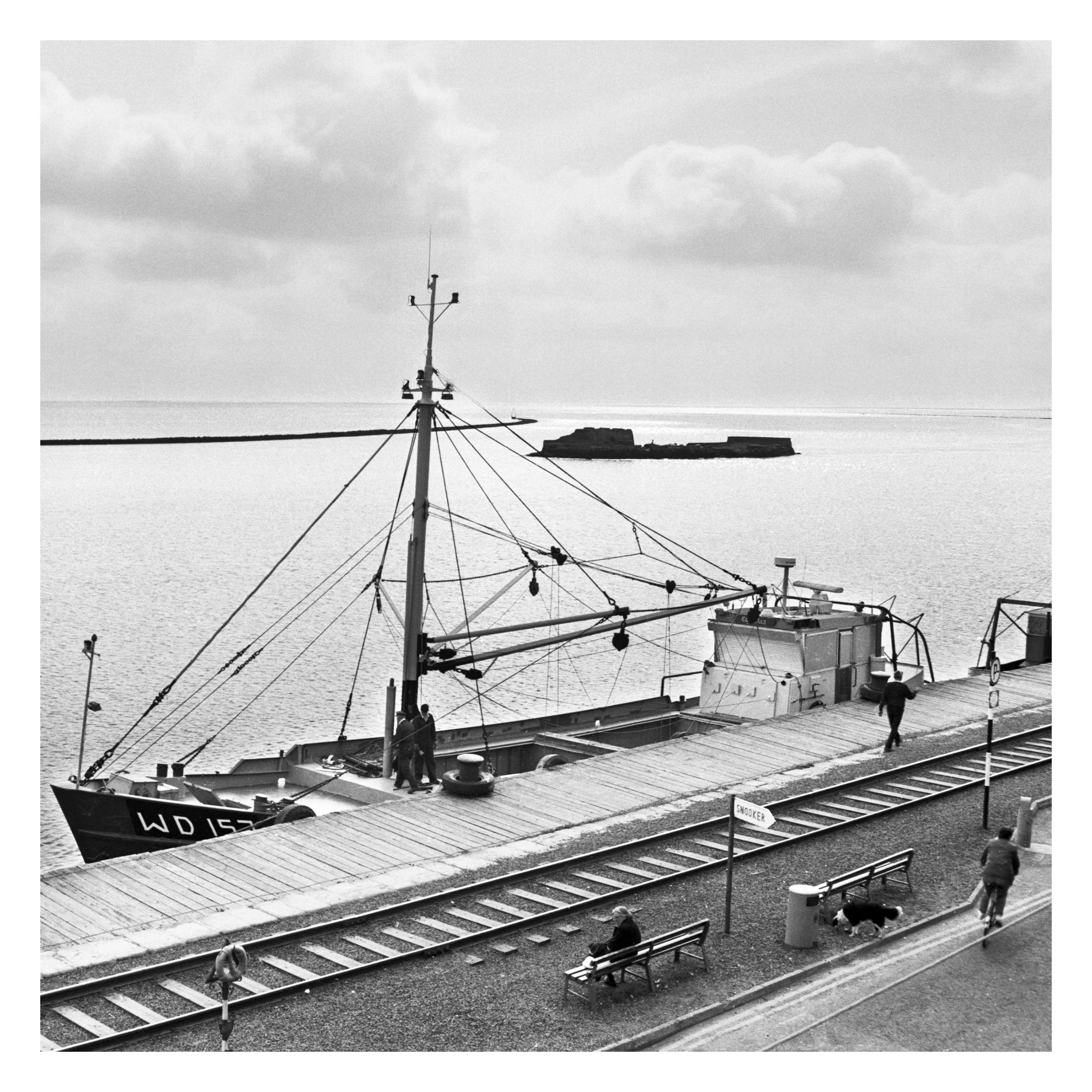 Image 6 of 9
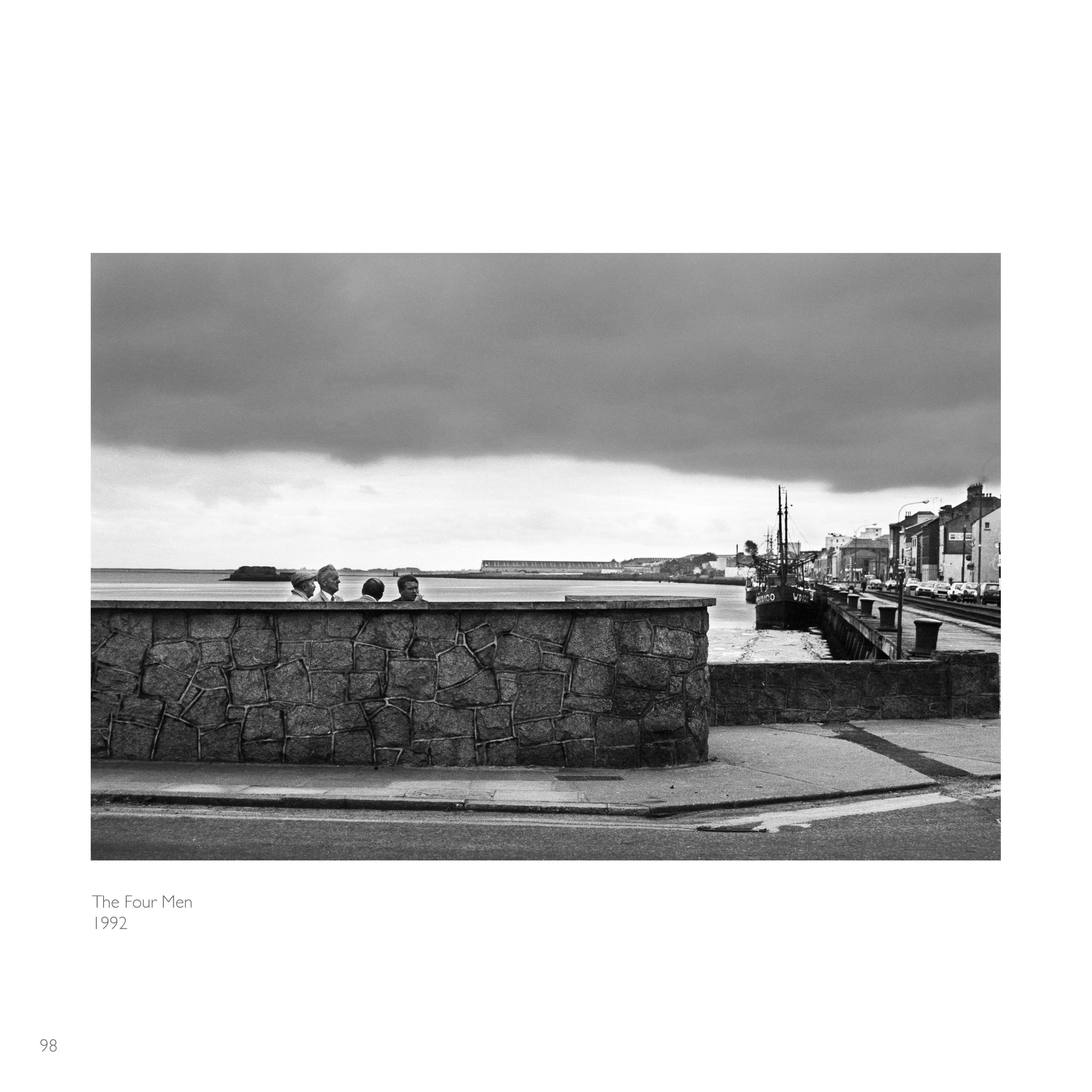 Image 7 of 9
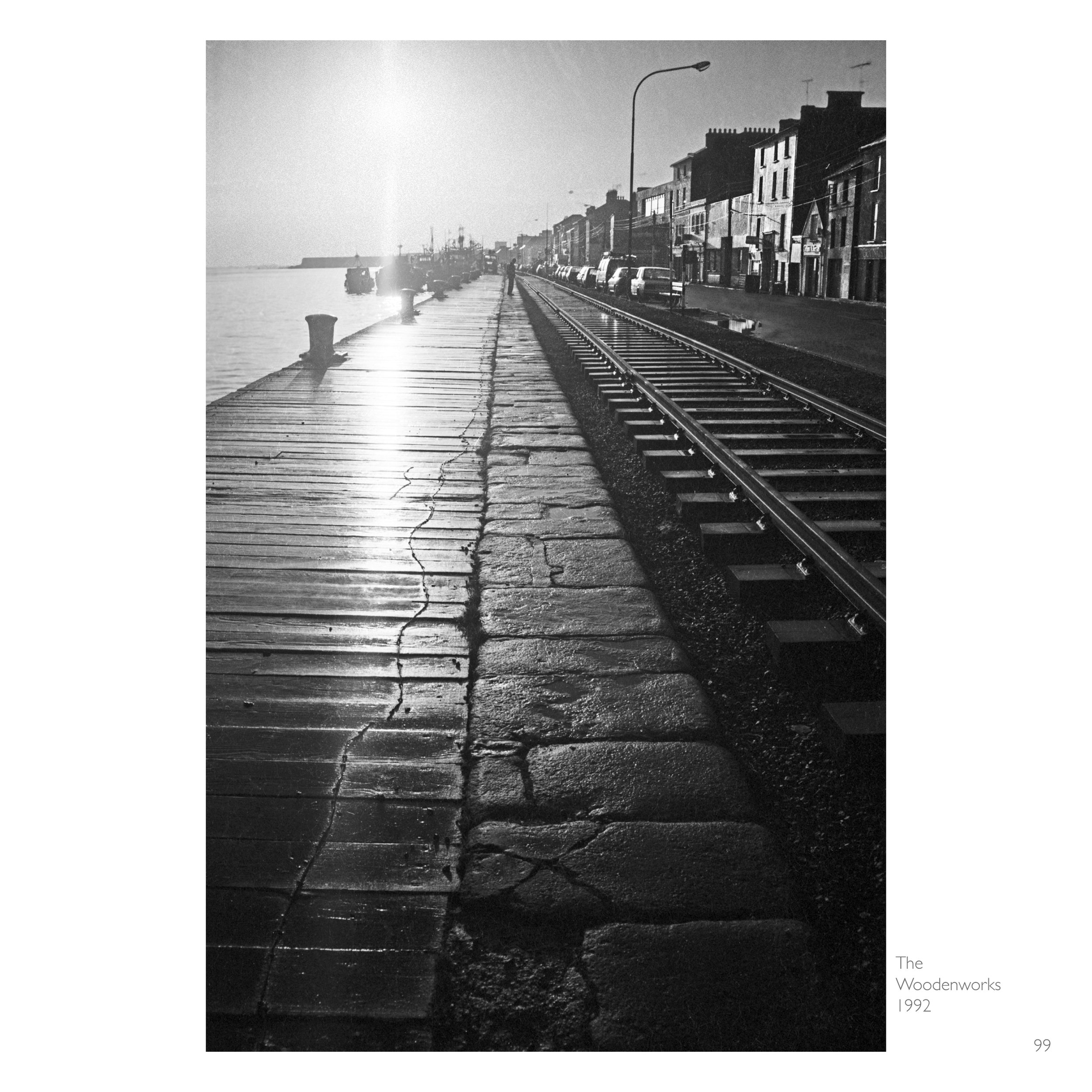 Image 8 of 9
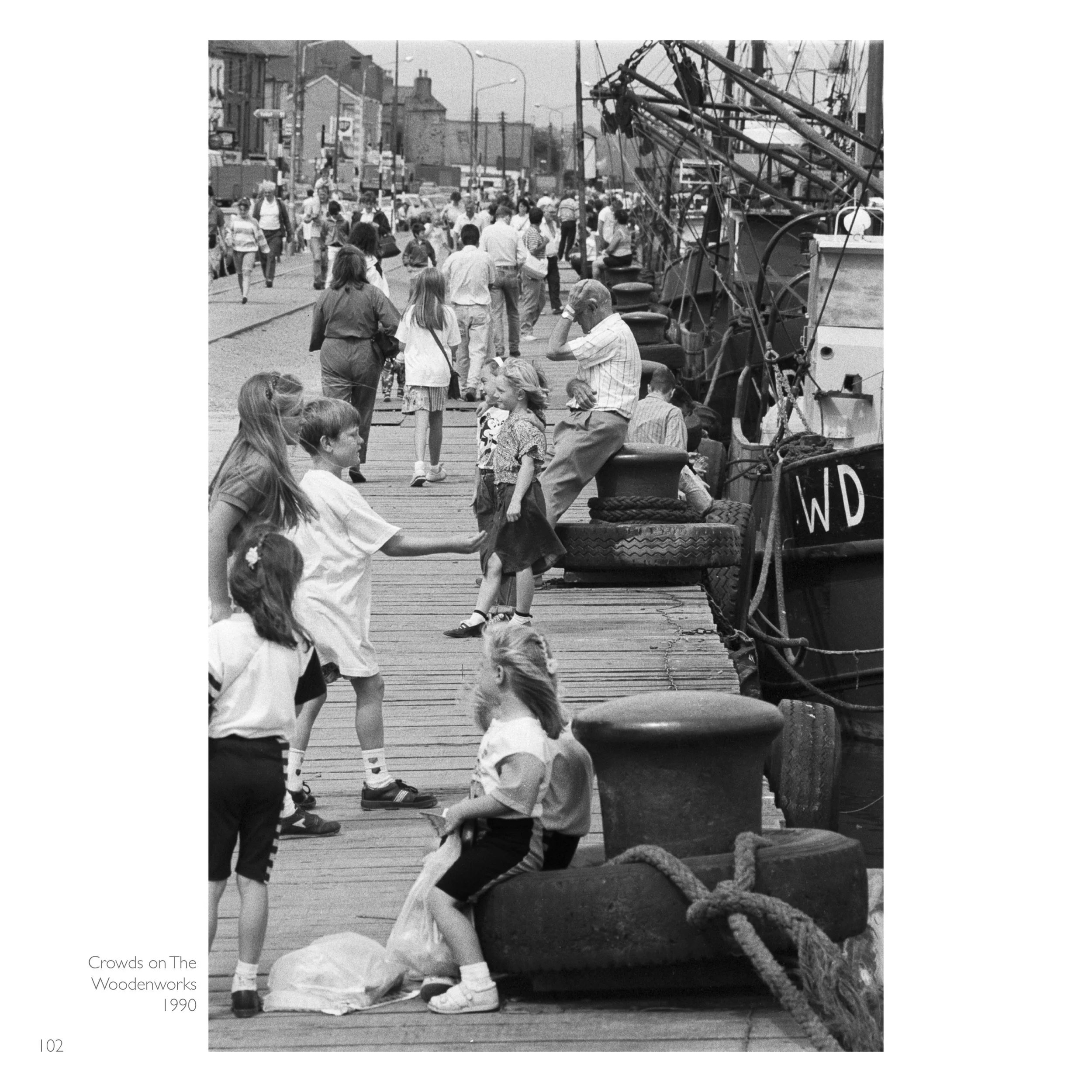 Image 9 of 9